What a Government Shutdown Means for National Parks
When the federal government shuts down, national parks face operational challenges that affect access, staffing and services. These disruptions also extend to nearby communities and local economies.
The complexity of managing national parks during a government shutdown raises important questions about access, safety, natural resource protection and financial sustainability.
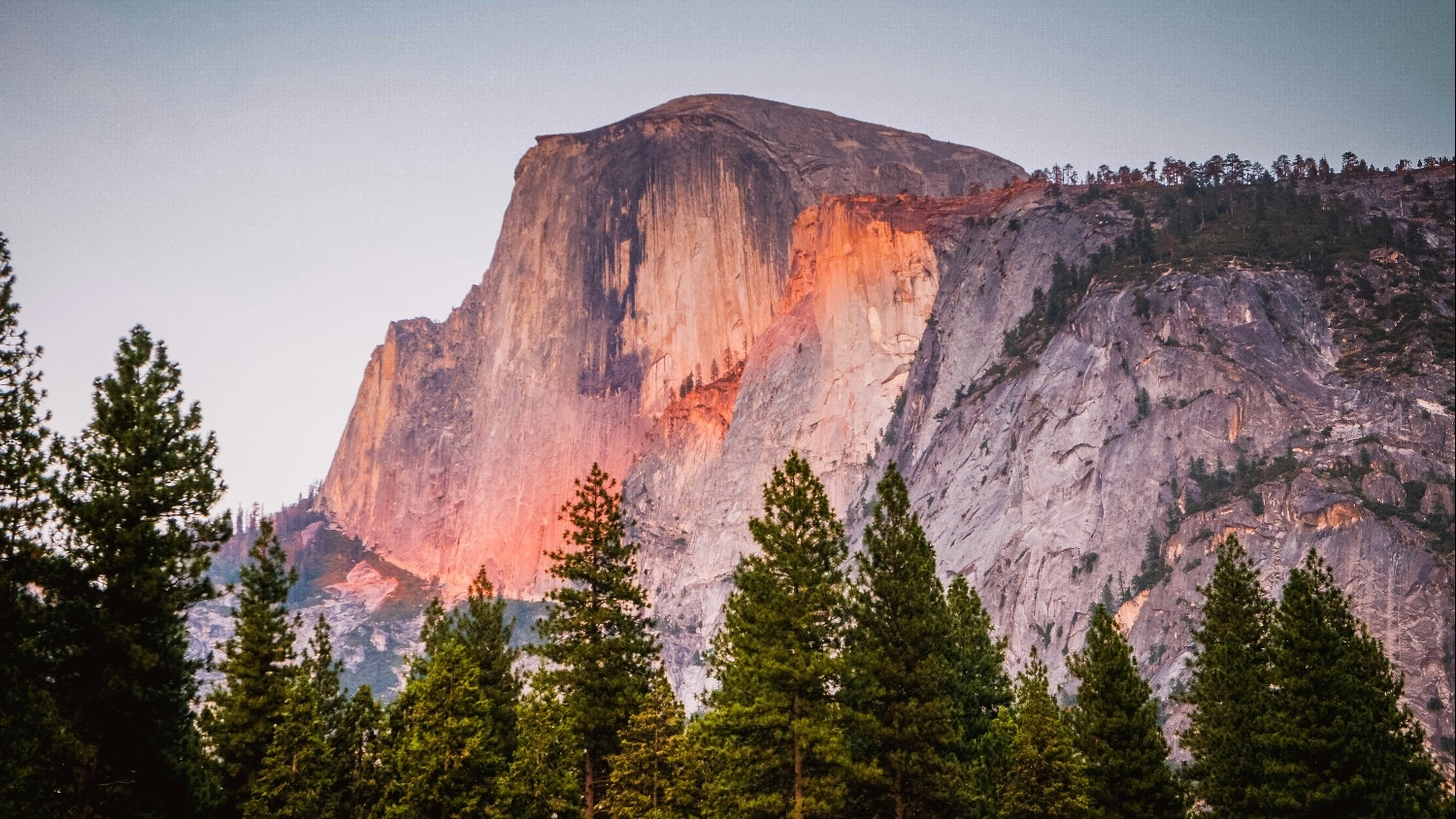
Since the latest government shutdown began in early October 2025, for example, Yosemite National Park has seen an increase in illegal camping, unauthorized hiking and BASE jumping.
“A government shutdown is never a good thing for national parks,” said Lincoln Larson, an associate professor of parks, recreation and tourism management at North Carolina State University.
Larson studies parks and protected area management, making him a leading authority on how policy decisions can affect park operations and the communities that depend on them.
In this Q&A, Larson explains the wide-ranging impacts of government shutdowns on staffing, visitor services and conservation efforts and offers ideas for better safeguarding parks during future closures.
What are the immediate impacts of a government shutdown on national park operations, staffing and visitor access?
Lincoln Larson: Some parks are forced to close due to staffing constraints. Those that remain open often operate at limited capacity, closing visitor centers, campgrounds and other unique amenities that enhance the visitor experience. If you visit a national park during a shutdown, don’t expect the same type of trip. Be sure to check what’s open before you arrive.
What determines whether parks stay open or close during a shutdown, and what services remain available?
Larson: In most cases, the decision to remain open or closed depends on the park itself. Many park managers want to keep their sites as open and accessible to the public as possible, but that is difficult to do with limited staffing. Much of the National Park Service workforce is furloughed during a government shutdown.
While basic services such as roads and restrooms are typically open and available, they are not monitored or maintained at the same level as during regular operations. Other services, including visitor centers, entrance kiosks, campgrounds, websites, programming and permitting systems, might not be available at all.
How are visitor safety, facilities and legal responsibilities affected when parks are open but unstaffed?
Larson: Fewer staff means bigger problems for parks. It is hard to maintain a park like Yellowstone, which is larger than Delaware and Rhode Island combined, under normal conditions, and even harder with limited staffing. Maintenance, law enforcement and risk management become more serious concerns during a shutdown. When the staff responsible for keeping visitors safe is no longer on duty, the entire system becomes less stable. That is why many managers warn visitors to enter at their own risk during a shutdown.
What risks do shutdowns pose to natural and cultural resources, and are there examples of damage from past events?
Larson: Most National Park Service staff view stewardship of natural and cultural resources as a major part of their job. When those staff members are not available to protect and conserve these valuable assets, many threats arise. The effects of overtourism, including environmental impacts such as littering, graffiti and off-trail behavior, increase under these conditions, often causing irreparable damage to fragile park resources.
We saw this happen during the COVID-19 pandemic, when excessive visitation and limited staffing created unprecedented challenges for parks. Many park systems and managers chose to close their sites during the pandemic because of concerns about degradation in the absence of enforcement. A government shutdown poses similar problems.
How do shutdowns affect local economies, especially gateway communities?
Larson: During a government shutdown, many people only think about the impacts within parks. But the effects outside of parks can take an even greater and longer-lasting toll on nearby communities. In many parts of rural America, national parks are major economic engines that, through outdoor recreation and tourism, power local economies. These gateway communities depend on park visitation to survive and thrive. Many park workers also live in communities near the parks, and their salaries breathe life into these towns. When parks shut down, many of these economic benefits are lost, making life much tougher for people living nearby. If shutdowns happen during peak tourism seasons (for example, leaf-peeping season in western North Carolina), the economic impacts can be even more devastating and leave a lasting effect on the social and cultural landscape of an area.
How do short-term shutdown disruptions compound the long-term challenges facing national parks?
Larson: Short-term disruptions caused by a government shutdown can intensify the existing challenges faced by national parks, making it even harder to protect and maintain these vital resources. National parks have long faced numerous challenges. Chronic underfunding and staffing shortages have made it difficult to tackle a maintenance backlog that has persisted for decades. Beyond aging infrastructure, ongoing threats such as climate change, invasive species and energy development require continuous management and monitoring. When park staff cannot devote sufficient time and resources to these issues, the problems tend to worsen, which is something national parks cannot afford at any critical moment.
How long does it typically take for parks and communities to recover after a shutdown?
Larson: Recovery time depends on many factors, including the size of the park, how much of it remains open and the length of the shutdown. While some parks are resilient and bounce back quickly, the effects of a shutdown can linger in places where environmental and economic impacts are not easily repaired.
What policy or contingency measures could reduce the negative impacts of future shutdowns on parks and visitors?
Larson: The simplest way to prevent the negative effects of a national park shutdown is to either keep the government running or recognize public parks as essential resources during a crisis. A growing body of research has revealed the health benefits of parks and green spaces. Studies also show the financial power of the booming outdoor recreation economy. These factors, along with the variety of ecosystem services parks provide and conserve, suggest national parks should remain open and accessible to the public at all times.
If the federal government is unable to fulfill this responsibility, other entities can help. In some areas, nonprofit organizations and Friends groups are developing financial partnerships to help fund parks and keep them open. For example, at Great Smoky Mountains National Park, Friends of the Smokies has raised money to keep the park fully open for a few additional weeks during peak visitation season. State parks can also help offset some of the demand for recreation when national parks are closed, often seeing spikes in visitation during federal shutdowns.
Overall, the best solution is to keep national parks open, fully funded and staffed, to ensure all Americans can enjoy the benefits of parks and outdoor recreation.
This post was originally published in College of Natural Resources News.