Building a Case for Community Gardens
As community gardening grows in popularity, one NC State expert weighs in on the benefits of urban agriculture.
For centuries, farming has been a largely rural activity. But as rapid urbanization reduces access to food sources, city dwellers nationwide are growing plants and raising animals in and around their homes. This movement, known as urban farming or urban agriculture, is providing a wide range of health, environmental and economic benefits.
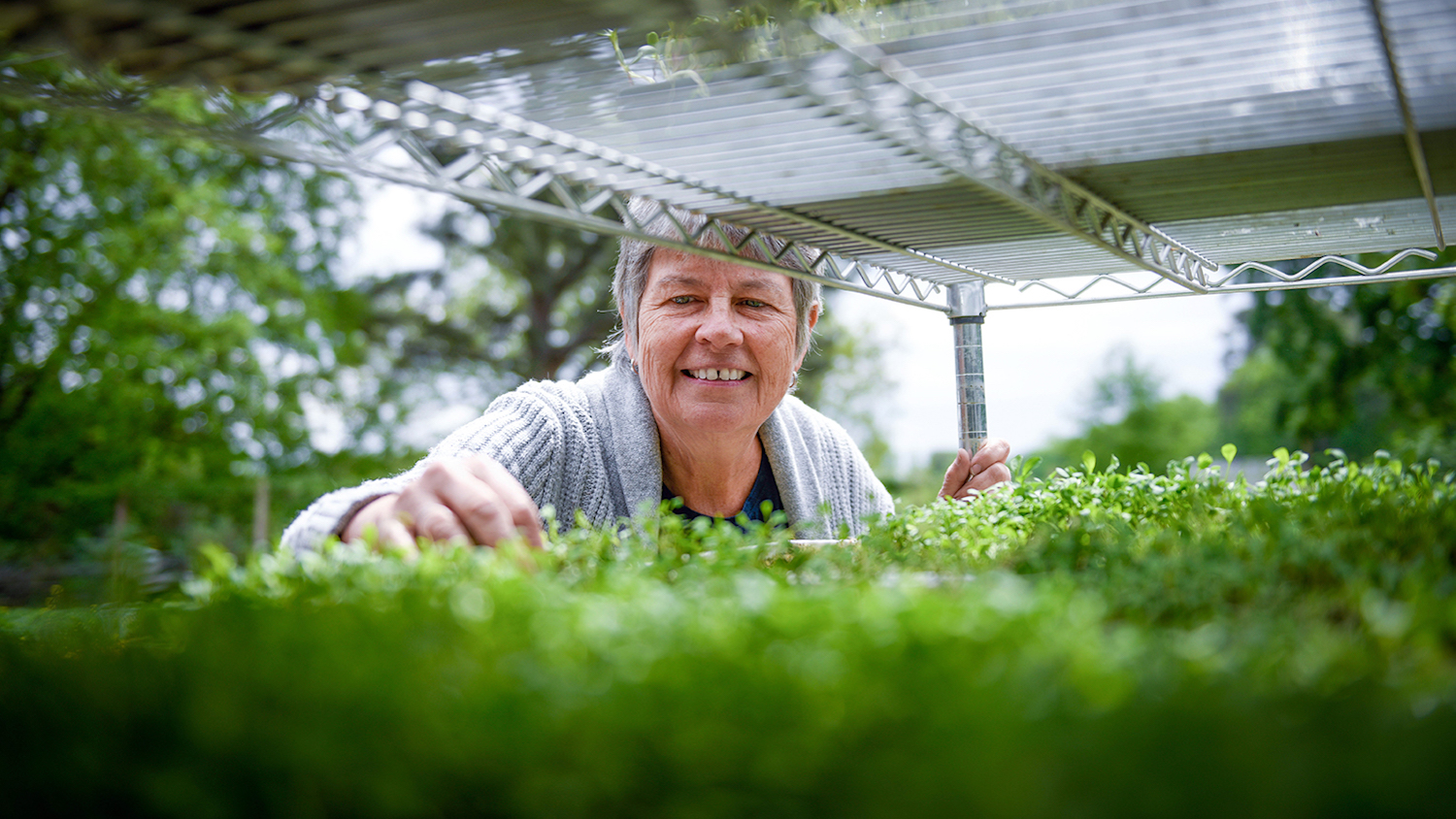
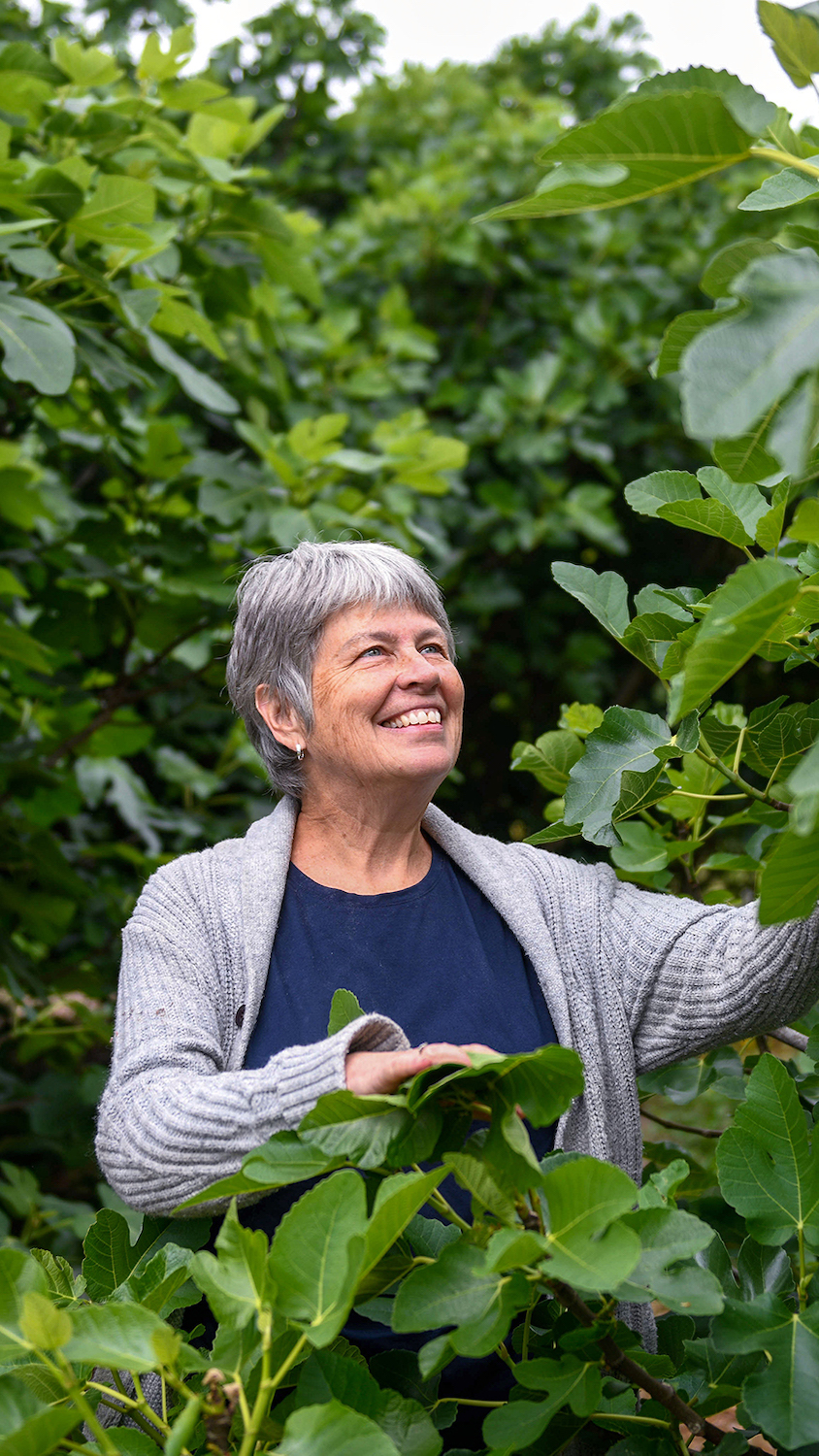
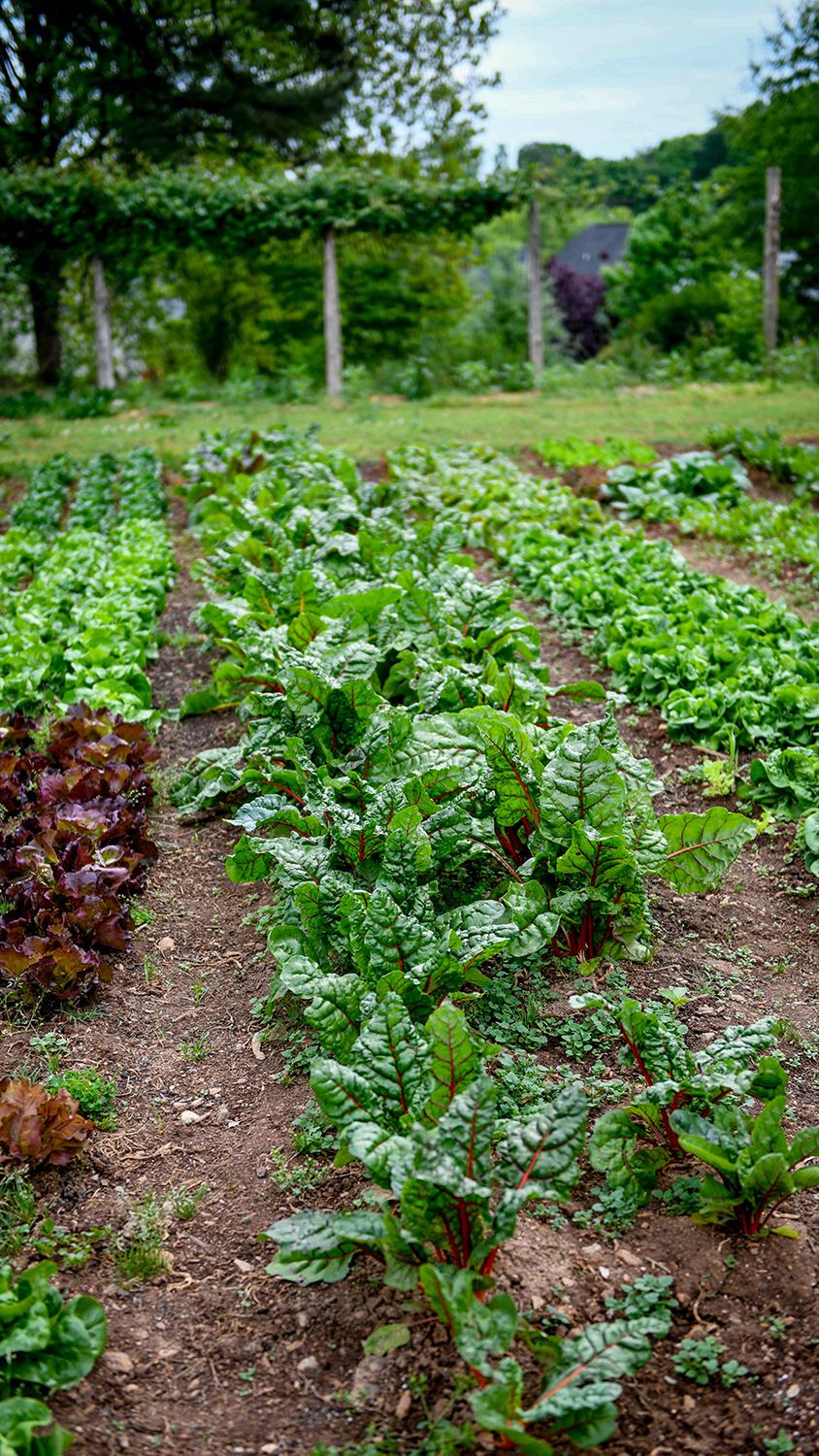
In North Carolina, a number of urban agriculture initiatives have sprung up in recent years. That includes the Well Fed Community Garden. Once an abandoned property in southwest Raleigh, the garden is now providing residents with local, organic produce — and some important lessons about how they’re food grows and why it matters, with the goal of reconnecting them to the environment and its many benefits.
Urban agriculture — in particular, community gardening — has become increasingly popular in the 21st century, with the number of Americans growing food in community gardens rising by 200% between 2008 and 2016. And with good reason: The gardens provide a wide range of benefits, according to Sara Brune, a research associate in the Department of Parks, Recreation and Tourism Management at North Carolina State University.
“As a result of agricultural industrialization, certain foods have become cheap and accessible for the majority of Americans. But it’s also had negative economic, social and environmental impacts,” Brune said. “Locally grown food promotes healthier eating, supports the economy and helps protect the environment.”
Community gardens often implement sustainable practices aimed at preserving natural resources, according to Brune. At the Well Fed Community Garden, for example, manager Tammy Purdue (Accounting ’82) uses crop rotation and companion planting for pest control, avoiding the use of pesticides that could pollute nearby waterways and cause greenhouse gas emissions.
Brune said community gardens can also alleviate urban food deserts — geographic areas where residents aren’t able to access healthy foods, especially fruits and vegetables, because they must travel an inconvenient distance, usually greater than 1 mile, to reach a supermarket or grocery store.
Research shows that food deserts commonly occur in lower-income and minority communities, forcing residents to rely on unhealthy options such as processed foods from convenience stores, gas stations and fast-food restaurants. According to the U.S. Department of Agriculture’s most recent food access report, about 39.5 million Americans, or 12.8% of the nation’s population, live in food deserts.
“There are more than 7 billion people to feed in the world and you can’t do it with community gardens alone,” Brune said. “But we need these gardens to balance food consumption, because they facilitate the access to low-cost, fresh produce for those who simply can’t get to it.”
While southwest Raleigh isn’t a food desert, there is only one grocery store, a Food Lion along Avent Ferry Road, located within a 1-mile radius of the Well Fed Community Garden, making it an important food source for the surrounding neighborhood. “I can easily feed the entire block from this property,” Purdue said.
The Well Fed Community Garden recently received permission from the City of Raleigh to establish an on-site farm stand, allowing Purdue to sell her produce to neighbors and others. Once the pandemic subsides, the garden will also continue to host events aimed at promoting urban agriculture. That includes gardening workshops, tours and more.
Brune, whose research focuses on the contribution of agritourism to local food systems, said that agritourism experiences increase people’s appreciation for local foods and local farmers. “Agritourism has long been perceived as an income diversification strategy for family farms. But our research shows that it’s far more important,” she said. “We’re finding that people are more willing to buy and advocate for local food after engaging in agritourism experiences.”
She added that the hands-on agricultural activities offered by community gardens such as the Well Fed Community Garden may play a similar role in shaping peoples’ preferences for local food in the urban context. “This indicates that apart from expanding the access to fresh food, community gardens may also strengthen local food systems by increasing the participant’s appreciation for local food and their likelihood to advocate for local food.”


