A Forest Runs Through It
Schenck Forest has become a site for research, recreation and restoration in the heart of Raleigh.
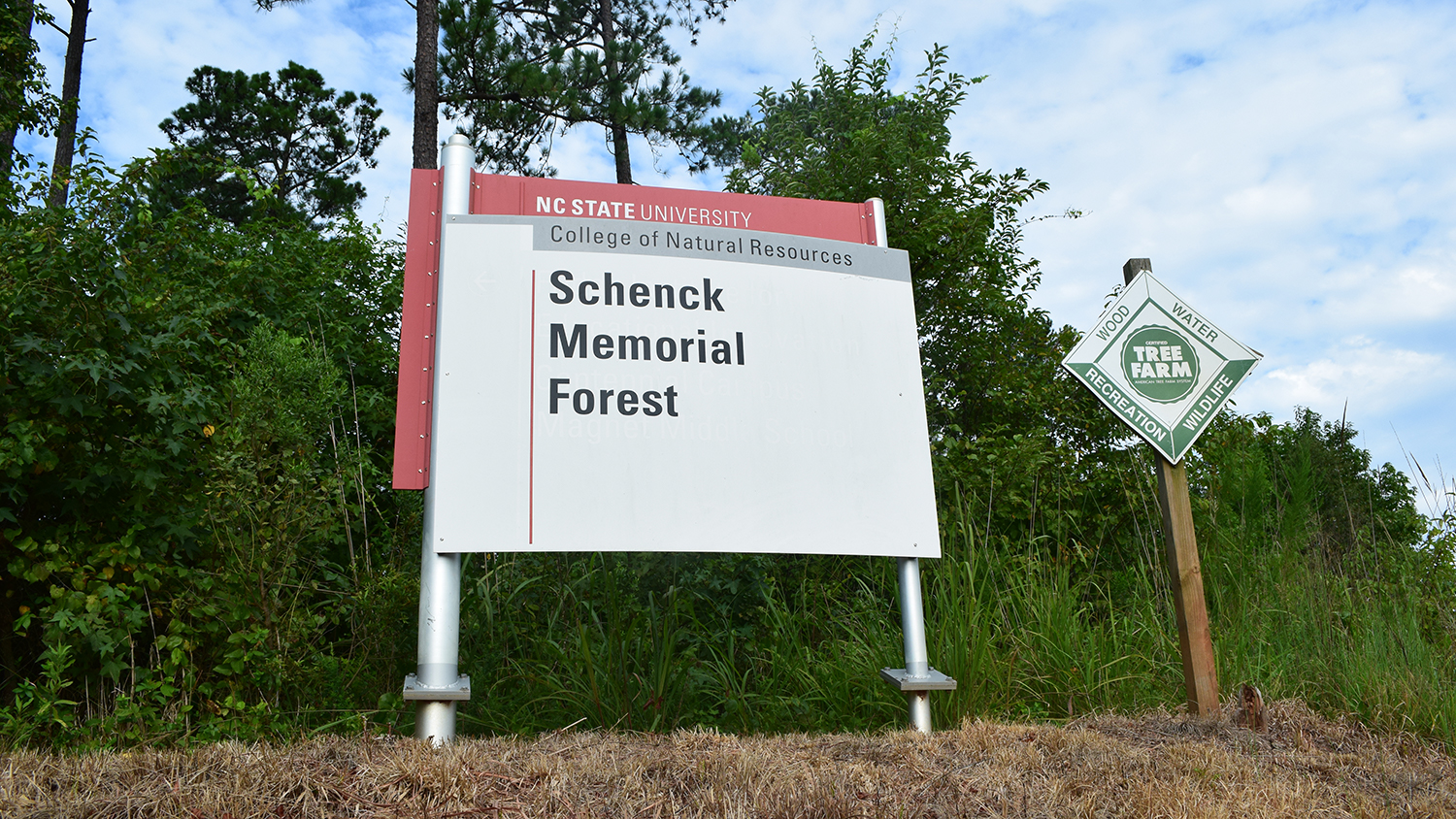
Green spaces such as parks, gardens and forests are emerging as essential tools to improve public health and address environmental challenges in communities worldwide, especially in metro areas with extensive urban sprawl. These spaces not only facilitate physical activity but also filter out harmful air pollution and provide habitat for wildlife.
In Raleigh, where the population has grown faster than nearly any other major American municipality in the past decade, residents enjoy access to thousands of acres of green space across local and state parks — and properties owned and managed by North Carolina State University. That includes 245 acres at Carl Alwin Schenck Memorial Forest.
Schenck Forest, located just 10 minutes from NC State’s main campus and about eight miles from downtown Raleigh, is managed by the College of Natural Resources as a teaching and research site where students learn about forest management. It also serves as a popular recreation spot for local residents who enjoy its walking trails and picnic areas.
“Schenck Forest is somewhat of a hidden gem, and it holds a place in the hearts of the faculty, students and neighbors that frequent it,” said Elizabeth Snider, the forest manager in the Department of Forestry and Environmental Resources in the College of Natural Resources.
Planting the Seeds
Before it was a popular outdoor destination, the land where Schenck Forest now sits was once part of North Carolina’s Camp Polk Prison Farm. In 1937, the state turned over a portion of the farm to NC State. The university subsequently named the property Richlands Creek Forest and planted 92 acres of loblolly pine.
Nearly two decades later, the university renamed the forest in memory of Carl Schenck, the founder of the Biltmore Forest School, the country’s first practical forestry school. Schenck’s ashes were scattered in the forest following his death that year, and a bronze memorial plaque was mounted on a granite boulder near a picnic area
Today, Schenck Forest plays a vital role as an outdoor laboratory for a number of academic programs including forestry, botany, mycology, ecology, soils, recreation and wildlife biology. The forest hosts multiple classes and active research projects, including tree growth, genetics, hydrology, soils and wildlife and habitat monitoring.
Schenck Forest, which is open to the public during daylight hours, also features a teaching arboretum and several walking trails that allow the college to educate the public about forest management practices. Some trails even pass through sites where a variety of these practices can be observed firsthand, including timber harvests aimed at restoring one of North Carolina’s most endangered tree species.
Saving a Species
Over the years, the college has conducted a number of active management operations at Schenck Forest to help restore the health and balance of the land. That includes timber harvests aimed at revitalizing one of the state’s most endangered forest communities — the longleaf pine.
Longleaf pine once covered an estimated 90 million acres across the southern United States but now only covers a fraction of its original range — 4.3 million acres, to be exact. The reason behind this decline involves many factors, including land-use change and fire suppression.
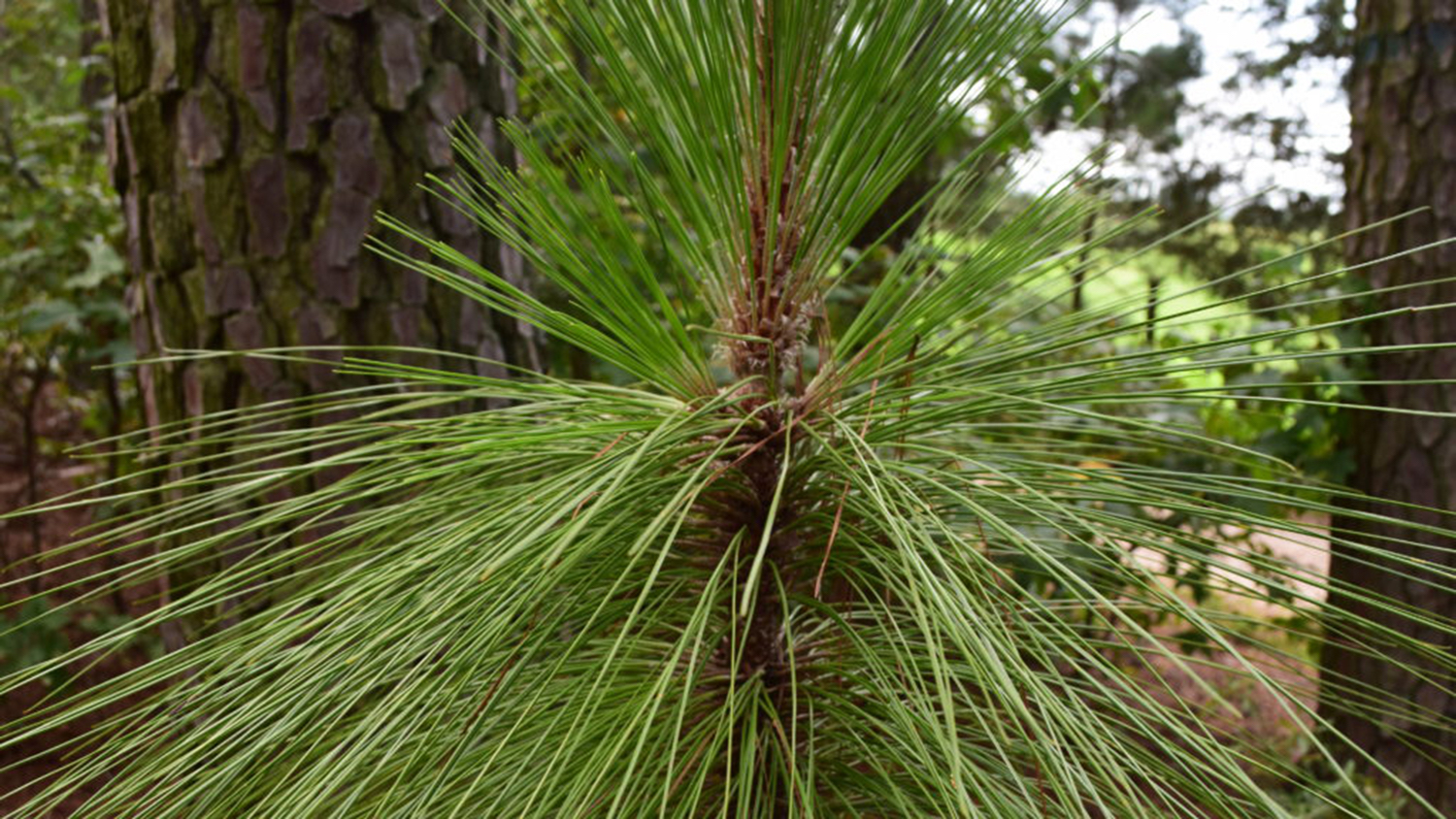
In 2020, after harvesting trees at Schenck Forest, Snider and her colleagues conducted a prescribed burn to prepare the site for longleaf pine and to reduce loblolly and hardwood competition. They eventually planted approximately 17 acres with longleaf pine seedlings, which will eventually mature and begin producing cones that will provide the seed source necessary for long-term, natural regeneration.
Timber harvests and active management operations not only provide a much-needed boost to longleaf pine restoration but also directly benefit Schenck Forest’s wildlife, including whitetail deer, turkey and quail. Like most Southeastern wildlife, these species thrive on ecological disturbances that create early successional forests. These dynamic habitats deliver vital forage, shelter and nesting refuge.
- Categories: