Quick Read:
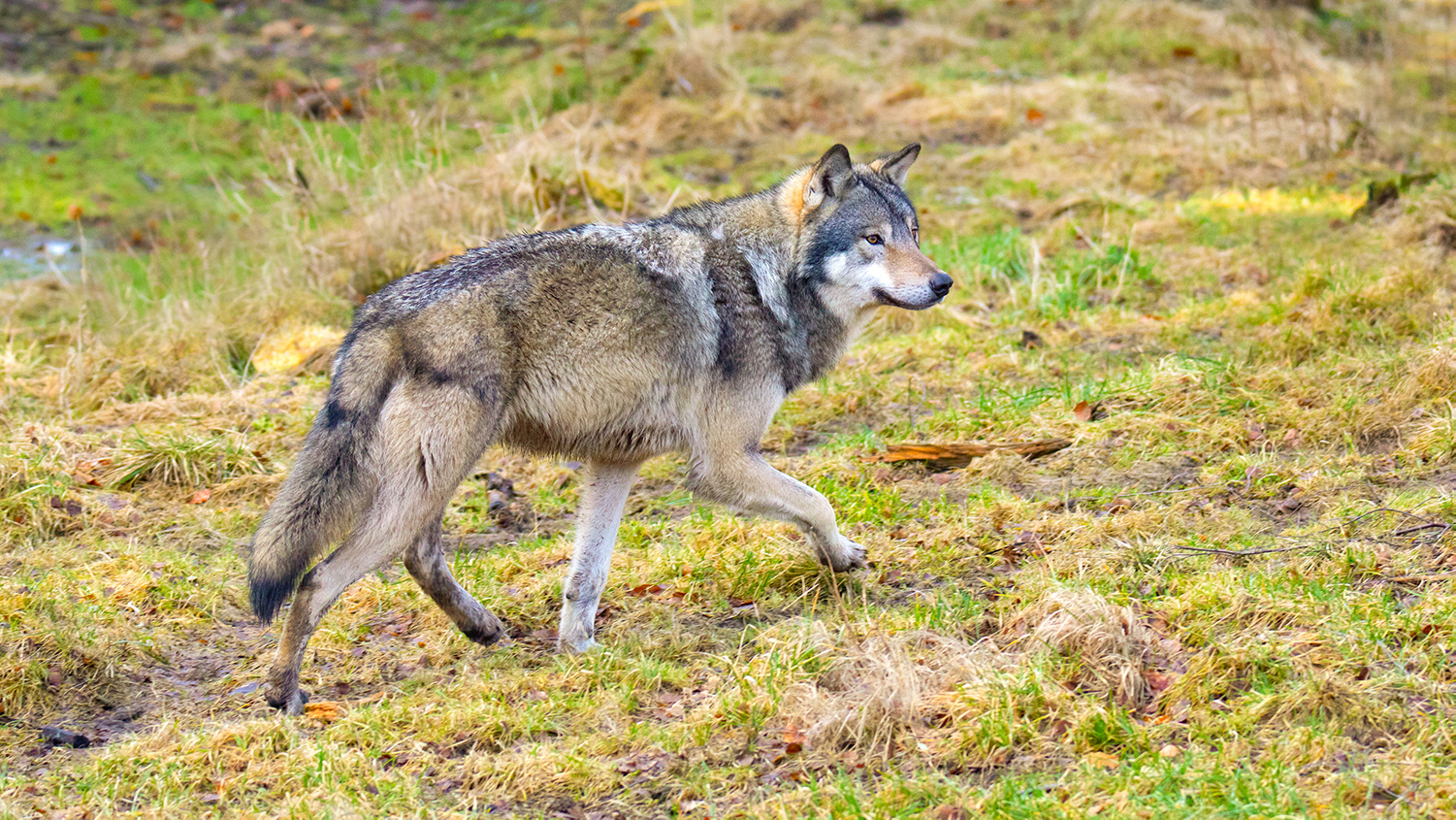
- In October, the federal government announced that it will remove the gray wolf, a species that went nearly extinct in the 1900s due to unregulated killing, from the endangered species list.
- The decision will return the management of gray wolves to state and tribal wildlife agencies and will end a number of federal protections for the species, including regulations preventing hunting and trapping.
- Wildlife experts at NC State’s College of Natural Resources expect gray wolf populations to remain stable and potentially expand under state and tribal management once the decision is finalized next year.
A plan to remove the gray wolf from the endangered species list in the United States has garnered widespread criticism from environmentalists. But wildlife experts at NC State’s College of Natural Resources say the species has made an impressive recovery and no longer needs federal protection to avoid extinction.
Since 1974, the U.S. Fish and Wildlife Service (USFWS) – a bureau within the Department of the Interior – has restricted hunting for gray wolves and provided other protections for the species under the Endangered Species Act. Now, as part of its plan to delist gray wolves, the agency will return management authority to states and tribes.
“After more than 45 years as a listed species, the gray wolf has exceeded all conservation goals for recovery,” David Bernhardt, secretary of the Department of the Interior, said in a news release. “Today’s announcement simply reflects the determination that this species is neither a threatened or endangered species based on the specific factors Congress has laid out in the law.”
A number of environmental organizations across the country have condemned the decision to delist gray wolves as premature and promised to take legal action. Federal wildlife officials, on the other hand, contend that wolf populations in the western Great Lakes region, Rocky Mountains and Pacific Northwest are “strong and stable” enough to ensure the species’ long-term survival.
Chris DePerno, a professor of fisheries, wildlife and conservation biology in the Department of Forestry and Environmental Resources, said the goal of the Endangered Species Act is to protect and recover imperiled species, such as the gray wolf, so they no longer require federal protection and can survive on their own.
“A lot of people think that animals have to stay on the endangered species list when they’re added. But that’s not how it works,” DePerno explained. “The federal government, working with biologists, sets specific recovery goals for each and every species listed as endangered. Sometimes these goals can take decades or even hundreds of years to accomplish. However, if a species meets the specific recovery goals, it no longer needs to be listed and can be removed from the Endangered Species Act.”
DePerno added that recovered species that are not delisted ultimately drain scarce and valuable resources from species that really need them.
The return of gray wolves
The Endangered Species Act was passed by Congress in 1973 to protect plants and animals that are at risk of becoming extinct. The current law prohibits the harming or killing of endangered species, bans their import and export and requires protection for land and water vital to species recovery – “critical habitat.”
As of 2019, the Endangered Species Act is estimated to have prevented the extinction of at least 291 species. In fact, more than 40 species, including the bald eagle and American alligator, have recovered and been delisted.
DePerno, whose research interests include population ecology and the management of big game species and predators, said he expects gray wolf populations to remain stable or even increase across their current ranges despite being stripped of their endangered species protections.
“We need to trust the science,” DePerno said. “When I see that the gray wolf is being delisted, the first thing I think is that the species has met the recovery goals set by state and federal biologists and university scientists. I trust the people establishing the recovery goals and making the decisions to delist.”
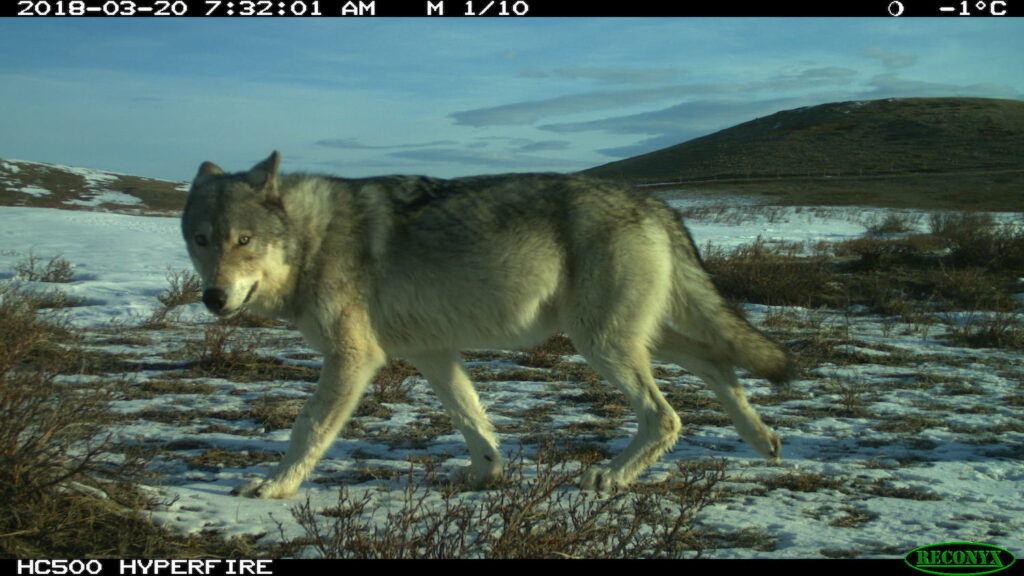
Gray wolves roamed across much of North America, from Alaska to Mexico and Maine to California, until unregulated harvesting, trapping and poisoning rendered them nearly extinct by the mid-20th century. In fact, by the time gray wolves were protected under the Endangered Species Act, only several hundred remained in northeastern Minnesota and a small number on Michigan’s Isle Royale. The last gray wolf known to reside in North Carolina is thought to have been killed in Haywood County in 1887.
Today, the gray wolf population in the contiguous U.S. has recovered to more than 6,000 individuals across the western Great Lakes region, Rocky Mountains and Pacific Northwest. A pack of 14 wolves also resides in California, where the species went extinct in the 1920s.
What delisting means for wolves and humans
Although gray wolves have recovered from near extinction in parts of the country, environmental groups – and some scientists – argue that it’s too early to remove them from the endangered species list as populations remain absent from much of their historical range.
Under the Endangered Species Act, a species should be listed if it’s threatened or endangered in “all or a significant portion of its range.” Gray wolves currently occupy less than 20 percent of their historic range. However, DePerno said it would be “extremely unrealistic” to expect a species to recover within the entirety of its historic range, especially when forests and other vital habitats have been fragmented or altered over the centuries.
“When a recovery plan for an endangered species is developed, it does take into account the available habitat and the habitat necessary for the recovery goals,” he said. “Look at all the places where we have cities now. I am sure that the land was occupied by wildlife at some point. But if that was a requirement under the Endangered Species Act, we probably wouldn’t meet the recovery goals for a lot of animals.”
Roland Kays, a research associate professor in the Department of Forestry and Environmental Resources and director of the BiodiversityLab at the NC Museum of Natural Sciences, said the decision to remove gray wolves from the endangered species list could have positive and negative impacts on the species – and the states where they’ve been recovered.
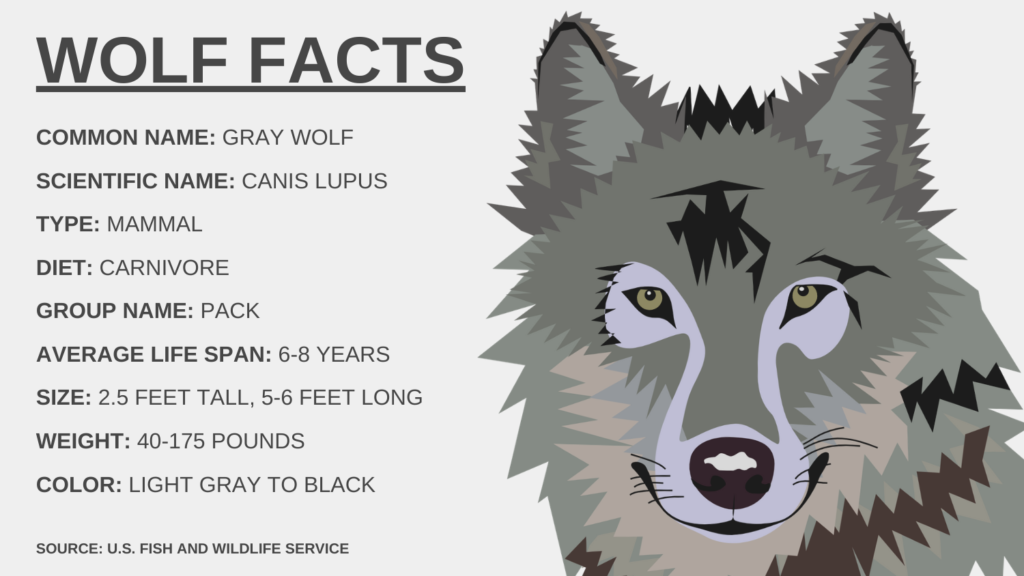
While Kays agrees that gray wolf populations have recovered in many parts of the country and will remain largely stable in their current range after being delisted, he said that stripping the entire species of federal protections could potentially hinder recovery efforts in other areas within the species’ natural habitat, including Colorado. “I would have liked them to remove protections for the populations out West and in the Great Lakes but leave the species on the list so that we can protect those recovering in new areas.”
Voters in Colorado narrowly approved a ballot measure, Proposition 114, to reintroduce wolves in the southern Rockies by the end of 2023. The last gray wolf native to Colorado was believed to have been killed in 1945. But DNA testing of scat samples taken near an elk carcass in Moffat County, in northwestern Colorado, in January confirmed the presence of three females and one male.
Kays, whose research has focused on the genetic relationship and evolution of wolves and coyotes in North America, added that Colorado and other areas where wolves once roamed would benefit if the species was recovered.
How wolves impact their ecosystems
As with many large carnivores, the gray wolf plays an important role in maintaining ecosystem health and integrity, according to Kays. “Wolves prey on large species like deer and elk,” he said. “In the absence of a top-level predator, the deer and elk populations can overpopulate … they not only cause thousands of car accidents but also prevent the regeneration of forests by overgrazing on tree saplings.”
Studies at Yellowstone National Park, where the federal government reintroduced gray wolves in 1995, show that the species has caused a number of ecological changes. By decreasing the elk population, for example, the wolves have increased the availability of woody plants and forage for beavers, bison and other animals throughout the park. In addition, the presence of wolves has reduced the park’s coyote population, leading to an increase in rodents and birds.
However, despite the many ecological benefits provided by wolves, the species can also be a source of financial and emotional frustration for landowners as they kill dozens, if not hundreds, of livestock animals every year. In fact, ranchers and farmers in Wisconsin and other states across the Great Lakes region lost more than 100 animals, including cattle and sheep, as a result of wolf depredation in 2019, the last year data is available.
Although the available data suggest that wolf depredation on cattle and sheep accounts for less than 1% of the annual gross income from livestock operations, the costs are unevenly distributed and localized, with some producers suffering greater losses than others.
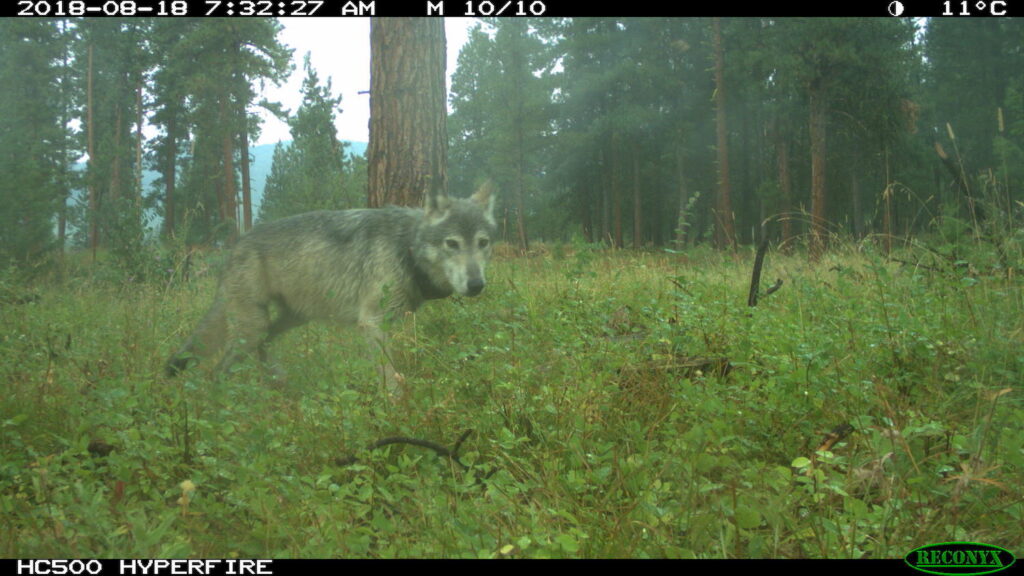
In the case of Yellowstone National Park, which includes parts of Wyoming, Montana and Idaho, the wolf population has “exploded” over the years and continues to be a source of livestock depredation, according to DePerno. The latest figures available show that the park’s wolf population has expanded from 31 individuals to thousands across the Greater Yellowstone ecosystem and surrounding states since the federal government launched its reintroduction program. Such an increase should have spurred wildlife agencies to remove the park’s wolf population from the endangered species list much sooner, DePerno said.
Kays said ranchers and farmers will ultimately have more flexibility to kill predatory or aggressive wolves once the species is delisted and management returns to state and tribal agencies. Currently, landowners are only allowed to shoot at wolves in the defense of human life, or in certain circumstances when wolves are attacking livestock.
Because of the restrictions placed on landowners by the Endangered Species Act, some states offer farmers and ranchers reimbursements for the loss of their livestock — as long as investigators can prove that wolves were the cause of an animal’s death. For example, the Wisconsin Department of Natural Resources,has paid at least $2.5 million in damage payments to hunters and livestock owners over the last three decades.
Why the future is promising for gray wolves
Once state and tribal wildlife agencies gain control of the management of gray wolves, they will use “adaptive resource management” techniques to ensure their respective populations remain strong and stable but don’t strain other resources across the landscape, according to DePerno. That includes the use of lethal control measures, such as hunting and trapping seasons.
The hunting and trapping of wolves as a management decision has become a controversial issue in the U.S. While environmentalists and animal rights groups argue that the measures are cruel and unnecessary, many wildlife experts deem them essential tools for conservation. “Many people have misconceptions about hunting and trapping,” DePerno said. “They are important and necessary tools in managing wildlife populations.”
A five-member scientific panel tasked with reviewing the federal government’s proposal to delist gray wolves – a requirement before the USFWS can finalize the decision – criticized it as being flawed, in part because of the agency’s failure to accurately estimate how many wolves would be killed by people if management of the species was returned to state and tribal wildlife agencies.
In 2011, when the federal government removed gray wolves as an endangered species in the Great Lakes region, several states established hunting and trapping seasons. Hunters and trappers in Minnesota alone killed more than 400 wolves between 2012 and 2014, when the wolves were relisted.
DePerno noted that hunting and trapping are closely regulated by state and federal agencies to keep wildlife populations healthy, with seasons and harvest allowances fluctuating to accommodate the size of individual populations. For example, when a wildlife population is abundant, agencies may extend the hunting and trapping season and increase the allowed harvests to regulate some of the excess animals. “Conversely, if wildlife populations decline, agencies may strengthen the regulations. Remember, hunting and trapping are management tools. They aren’t designed to cause a species to go extinct,” DePerno said.
Fast Fact: Why does a wolf howl?
A wolf’s howl is one of the most iconic sounds of nature. Wildlife biologists say that wolves use the vocalization to communicate with one another. Howls can indicate a wolf’s location, offer warnings about predators and even convey the position of prey.
In response to the federal government’s decision to delist gray wolves, state and tribal wildlife agencies across the country have already begun preparing or updating their management plans for the species. A news release published by the Minnesota Department of Natural Resources, for example, indicated that the agency will release its updated plan in early 2021.
“The department has successfully managed wolves for decades and will continue to follow the science and laws that influence our management strategies,” the release read. “All wolf management, including hunting, will be science-based and conducted in a transparent and deliberative process. Public and tribal participation will be encouraged, and we welcome all respective viewpoints.”
Both DePerno and Kays agreed that state and tribal wildlife agencies are capable of properly managing gray wolves and monitoring the impact of hunting — and poaching — on the species.
The gray wolf is expected to be removed from the endangered species list 60 days after the decision is published in the Federal Register, although the USFWS will work alongside state and tribal wildlife agencies to monitor populations for five years. The decision won’t affect Mexican gray wolves or red wolves, both of which exist in extremely small populations in the wild.
- Categories: