How Hurricanes Affect Forests — and Why It Matters
Professor Robert Bardon explains how hurricanes affect forests and what the damage means for ecosystems and economies.
Key takeaways
- Hurricanes can cause flooding and strong winds, both of which can cause extensive damage to millions of acres of forestlands.
- Forest damage can result in secondary environmental and economic effects, from heightened wildfire risk to reduced timber prices.
- Property owners can take steps to prepare for post-disaster recovery, such as completing damage assessments.
The hurricanes that strike the Atlantic Coast annually do more than wreck property; they also deal a catastrophic blow to forestlands. For instance, Hurricane Helene’s 2024 landfall left over 822,000 acres of damaged timber across western North Carolina.
Hurricanes often unload heavy and sustained rainfall as they move inland, oversaturating the soil and cutting off the oxygen trees need to survive, according to Robert Bardon, a professor in the Department of Forestry and Environmental Resources at North Carolina State University.
“This lack of oxygen weakens root systems and eventually leads to tree death,” said Bardon, who also serves as associate dean for Extension in the College of Natural Resources.
Most trees can tolerate between 24 and 36 hours of flooding, though Bardon noted that survival rates vary by age, species and other factors. As a general rule, broadleaf trees can tolerate flooding better than conifers. Also, middle-aged trees usually fare better than seedlings and older trees when flooding occurs.
When flooding occurs in coastal areas, it can also push saltwater into rivers, streams and freshwater marshes, increasing soil salinity and displacing vital nutrients needed by plants. “Too much salt works like an herbicide and ultimately kills trees,” Bardon said.
Bardon added that trees are more likely to recover from flooding if it occurs in the final stages of the growing season, when they can produce and store more carbohydrates in order to survive. However, if flooding is recurrent and keeps the soil saturated, previous injuries can accumulate and lead to tree decay or death.
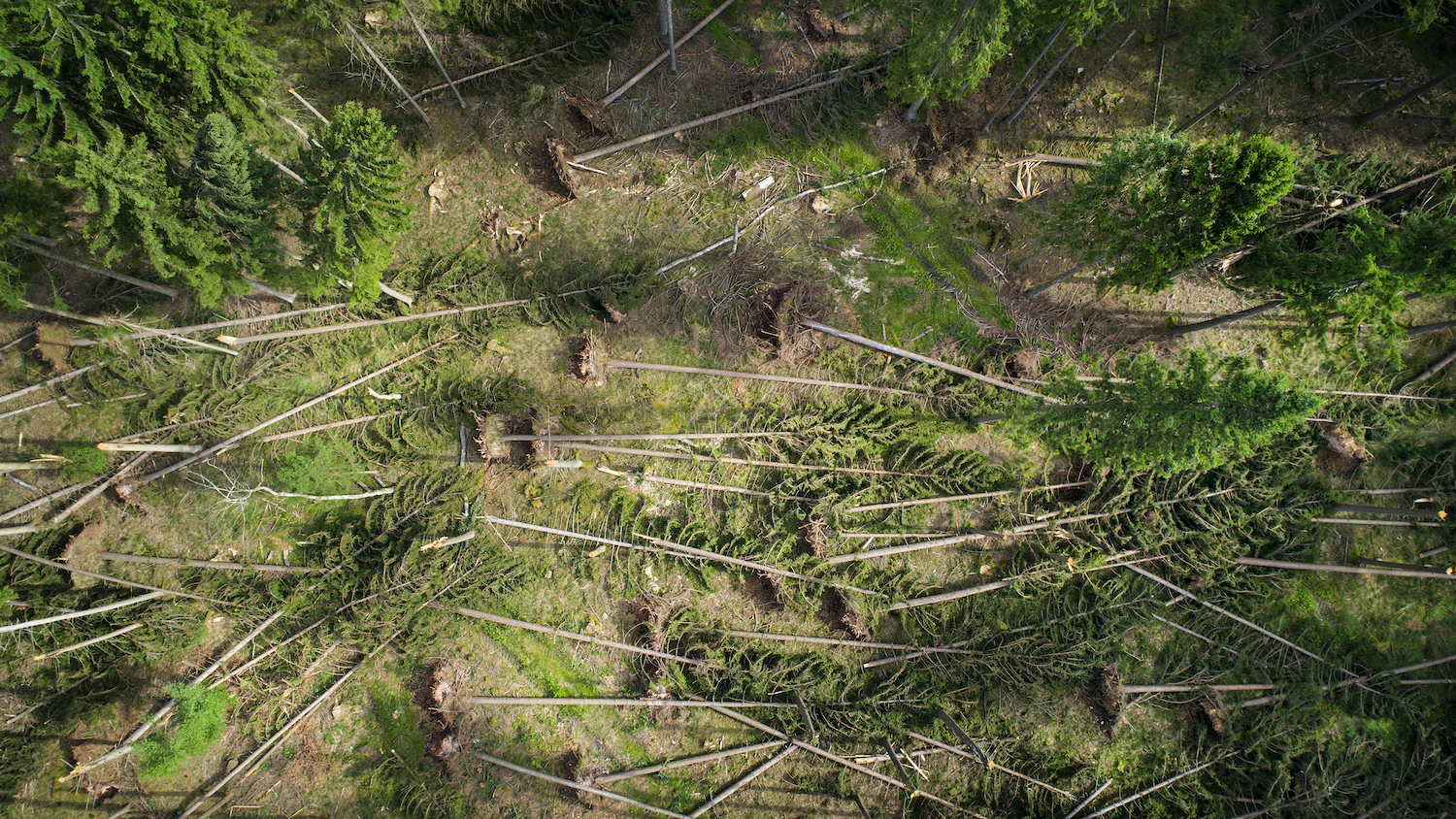
In addition to flooding, hurricanes can produce winds of 156 mph or more that can pull and stretch tree roots until they snap and the trees fall over. These winds can also strip away leaves and branches, temporarily halting photosynthesis and leaving the trees less capable of surviving subsequent droughts or other stressors.
After the Storm
Consequently, Bardon noted that the severe impacts of a storm often persist long after the system has passed. Forest damage can trigger secondary effects that ripple far beyond the initial impact zone, drastically altering both natural ecosystems and regional economies.
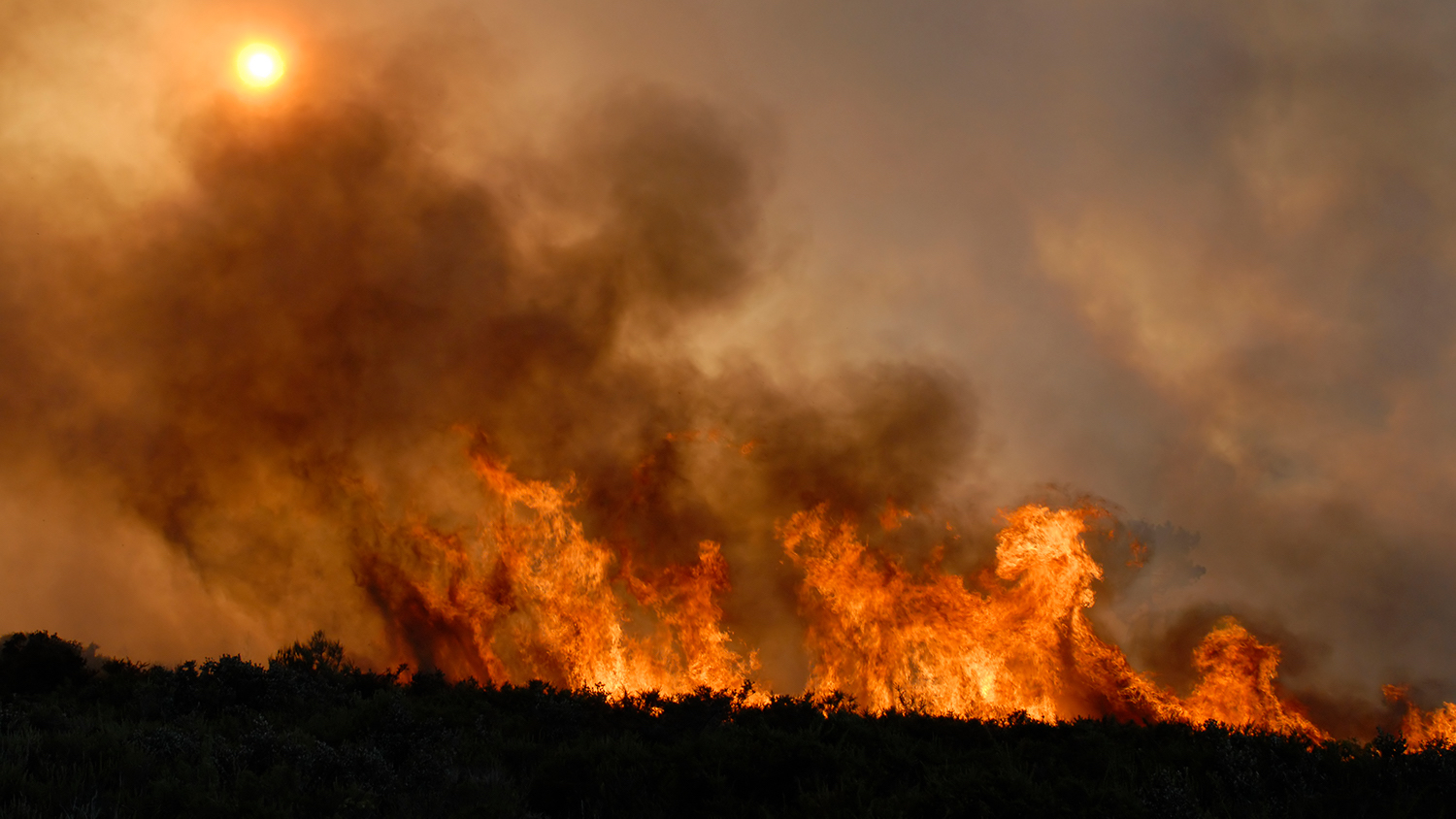
Downed trees can attract wood-boring insects and fungal decay, create heavy fuel loads that increase wildfire risk and release stored carbon dioxide back into the atmosphere, where it contributes to climate change.
The damage also hurts landowners financially. Salvaged timber often floods the market as owners rush to sell damaged trees to mills. This sudden inventory surge rapidly drives down timber prices.
“Landowners salvage their timber but often get paid a fraction of what they would have before the storm,” Bardon said.
Some landowners aren’t able to salvage their timber, especially when it only sustains minor damage. They instead have to pay for unplanned reforestation costs.
Bardon advised landowners to consult professional foresters or state agencies for damage assessments and to prioritize timber harvests based on forest damage and current market conditions.