North Carolina Fall Foliage: Expert Forecast and Guide for 2026
Professor Robert Bardon provides his annual fall foliage forecast and breaks down when colors should start, when they’ll peak, and more.
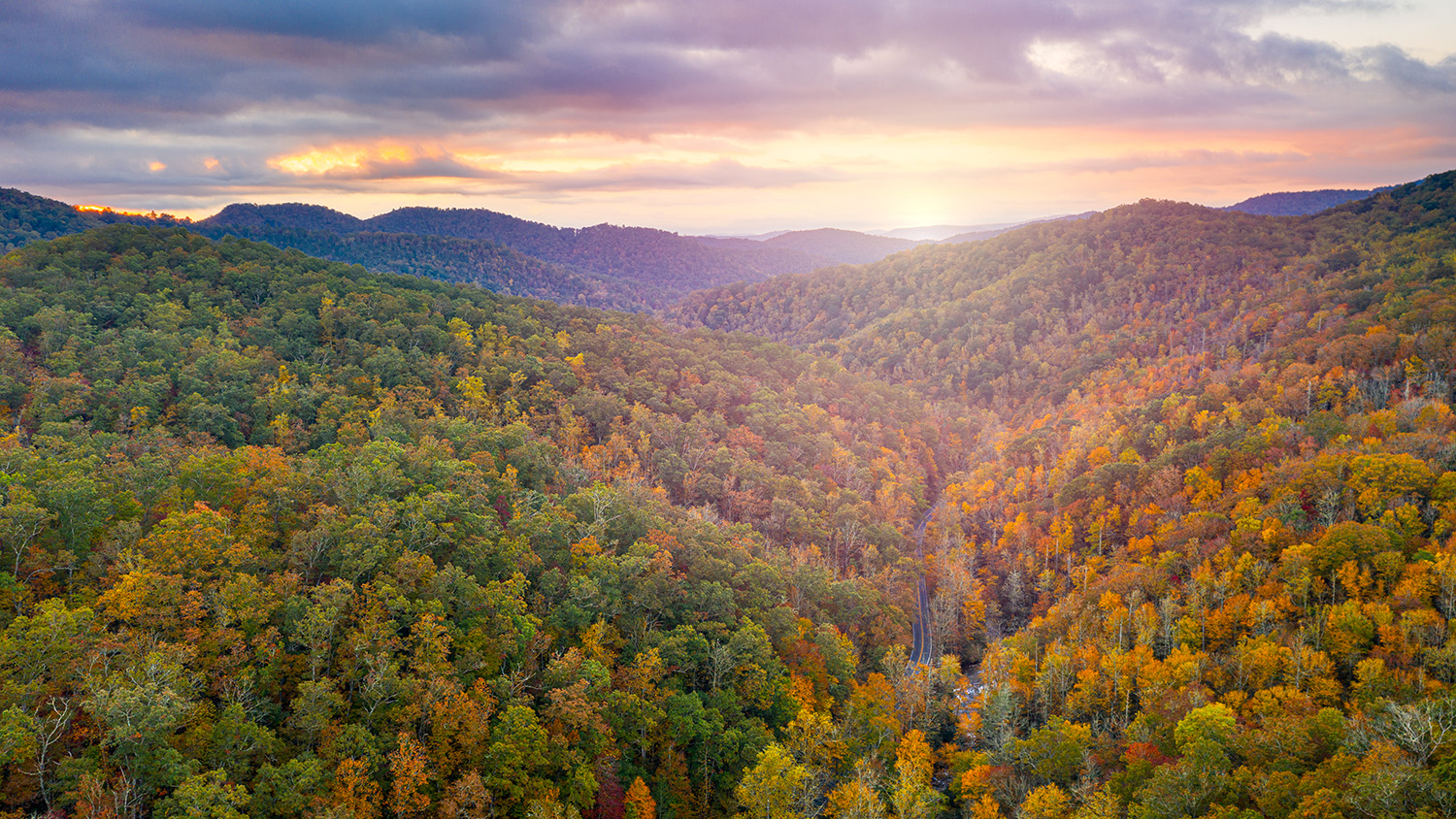
Every year, as summer fades, North Carolina’s forests transform into a vibrant display of red, orange and yellow leaves — a seasonal spectacle that draws millions of tourists to the Blue Ridge Parkway, Great Smoky Mountains and beyond.
If you’re wondering when fall foliage will begin in North Carolina in 2026 and how long it will last, the timeline might look a little different than in previous years due to drought, warmer temperatures and excessive rain.
These conditions are projected to lean toward above-normal in many parts of the state through November and may create less than favorable conditions for fall foliage, delaying and even muting the color change in parts of the mountains, Piedmont and Coastal Plain.
“I expect to see a patchwork of fall colors across North Carolina this year,” said Robert Bardon, a professor in the Department of Forestry and Environmental Resources at North Carolina State University. “From region to region, people may see quite a bit of variation.”
Bardon, who also serves as the associate dean for Extension in the College of Natural Resources, has been forecasting North Carolina’s fall foliage season for over a decade, providing reliable predictions that help communities and visitors plan for the peak of the season.
In the following FAQ, Bardon breaks down what fall foliage might look like for each region, when to expect peak foliage and key conditions that can both help and hurt foliage.
2026 Fall Foliage Forecast for North Carolina

Piedmont: This region may have some of the less favorable conditions for vibrant, long-lasting foliage. Above-normal temperatures across the region could delay color change, while ongoing drought may stress trees and lead to premature leaf drop or muted colors. Southern areas also have a tilt toward above-normal precipitation, which could help ease drought but may add to variability.
Coastal Plain: Conditions are similarly mixed. Above-normal temperatures could delay the onset of fall color, while drought across most of the region could stress trees. However, the northeastern Coastal Plain stands out because it is largely outside the current drought area, potentially giving trees there better conditions for vibrant foliage. Southern areas also have a tilt toward above-normal precipitation, which could help alleviate drought.
Mountains: The outlook is more favorable in some respects because temperatures have an equal chance of being above or below normal, rather than a clear tilt toward warmth. The biggest divide is drought: the Asheville area is largely drought-free, while much of the surrounding region remains in drought. The Asheville area could therefore have better foliage conditions than other parts of the mountains, particularly if it remains adequately hydrated through the fall. Southern portions also lean toward above-normal precipitation, which could help relieve drought.
Peak Fall Foliage Timeline for North Carolina

Knowing when fall foliage peaks is essential for anyone hoping to experience the season at its most vibrant. The timing of peak color can vary significantly depending on elevation, weather conditions and location, making it important to plan accordingly. The following general timeline may help guide your planning efforts:
Late September: Patchy fall color begins to appear at the highest elevations of the North Carolina mountains, especially above 5,000 feet.
Early to mid-October: Fall color becomes more noticeable and widespread at elevations above 4,000 feet, including areas along the Blue Ridge Parkway.
Mid-October: Peak color typically occurs at elevations between 4,000 and 5,000 feet in the mountains.
Late October to early November: Peak color moves into the foothills and the Piedmont region.
Early to mid-November: Peak color reaches the Coastal Plain region, marking the final stage of the season’s progression.
Ideal Weather for Peak Autumn Colors

The duration of the fall foliage season and the intensity of leaf colors are heavily influenced by weather patterns, including temperature fluctuations and sunlight exposure.
“For the best colors, a combination of sunny days and cool, but not freezing, nights is ideal for a vibrant display,” Bardon said.
Cool nighttime temperatures slow the production of chlorophyll, the green pigment in leaves. This breakdown of chlorophyll reveals underlying pigments such as carotenoids, which produce bright orange hues, and xanthophylls, which give leaves their yellow tones.
Sunny days enhance the production of sugars in the leaves through photosynthesis. As nights become cooler, these sugars can become trapped in the leaves. This buildup of sugars triggers the production of anthocyanins, a group of pigments responsible for the red and purple hues that appear in fall foliage.
Threats to Fall Foliage

Above-average temperatures can delay the onset of fall colors, causing trees to continue producing chlorophyll longer, which keeps leaves green and delays the revealing of fall colors. This disruption can lead to a later and sometimes shorter display of colorful foliage.
Drought conditions can stress trees, causing them to shed leaves prematurely in an effort to conserve moisture, which in turn shortens the duration of the fall foliage season. These conditions can also reduce a tree’s ability to move and store sugars, resulting in fewer reds and purples, and more dull browns.
Rainy, overcast weather reduces sunlight and keeps nighttime temperatures warmer, which can delay the breakdown of chlorophyll and postpone the onset of fall colors. It also limits the production of anthocyanins in leaves. As a result, yellows and oranges become more prominent, while reds appear less vibrant or even absent.
Tropical storms, which often bring heavy rainfall and strong winds, can physically damage trees and prematurely knock leaves off the branches. When these storms sweep through an area during the autumn months, the powerful gusts can strip trees of their colorful leaves before they’ve had a chance to reach their peak vibrancy. Additionally, excessive rain can saturate the soil and weaken tree roots, making trees more vulnerable to stress.


